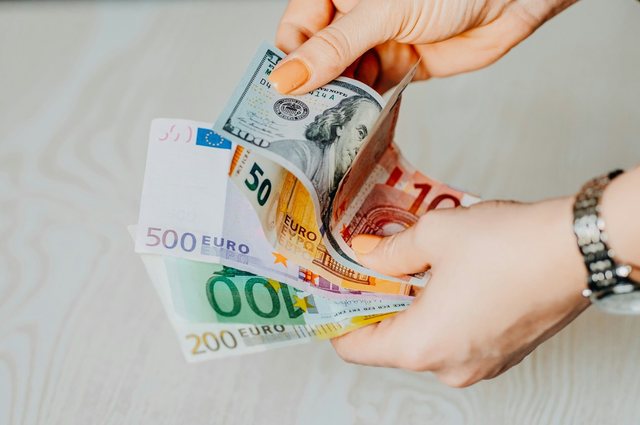
The euro continues to lose ground against the lek in the domestic market. The European currency was exchanged today for 93.07 lekë, according to the official exchange rate of the Bank of Albania, touching the lowest historical level since the start of the use of the euro as a physical currency.
Since the beginning of 2026, the euro exchange rate against the lek has fallen by about 3.8%. Compared to the historical high of 140.4 lek, recorded in February 2011, the euro today is trading at about 47.5 lek less, or approximately 34% lower.
According to foreign exchange agents, one of the factors influencing the weakening of the euro is foreign exchange inflows related to the tourist season, which reaches its peak during this period.
However, the seasonal decline of the euro follows a steady weakening trend of the European currency, which has become particularly noticeable since the beginning of the year.
Bank of Albania data show that during the first quarter of 2026, the current account deficit decreased to 228 million euros, a decrease of 28% compared to the same period a year earlier.
At the same time, foreign direct investments reached 404 million euros, marking a new record for this period and an increase of 11.6% compared to a year earlier.
In addition to officially recorded flows, the public continues to have a perception that the exchange rate is affected by foreign exchange flows related to informal activity and the criminal economy.
Cases made public by the Special Structure against Corruption and Organized Crime have highlighted cases of investing significant amounts of money of dubious origin in real estate.
The weakening of the euro against the lek is a trend that has been ongoing for years. According to the referenced data, until 2024 the depreciation of the euro was mostly related to informal flows associated with the growth of the construction sector, while after 2024, foreign exchange inflows from tourism have also been added to this dynamic.
Another factor that could influence the strengthening of the lek is the fiscal policy pursued by the Albanian government, which has achieved significant fiscal surpluses during most of the year. This policy affects the supply of the local currency in the market.
For the first half of 2026, the budget surplus reached 52.8 billion lek, marking an increase of 60% compared to the same period last year.
Meanwhile, the Bank of Albania continues to intervene in the foreign exchange market to purchase euros. However, the interventions seem to be only partially mitigating the decline of the European currency, without being able to completely stop the trend.
According to market sources, the Bank of Albania has intervened twice this week to buy euros.
From the beginning of 2024 to the end of the first quarter of 2026, the Bank of Albania has withdrawn around 2.2 billion euros from the market. During the first quarter of this year alone, purchases reached 140 million euros, the highest level recorded for this period.