The White House has accused more than 40 countries, including some of its closest partners, of helping Chinese goods evade US tariffs by taking advantage of changes in taxes imposed on third countries.
A new 25-page report titled “The Great Transportation Fraud,” released by the White House on Thursday, names Canada, Mexico, Japan, South Korea, India, Israel, Taiwan and the EU among those allegedly involved in the practice.
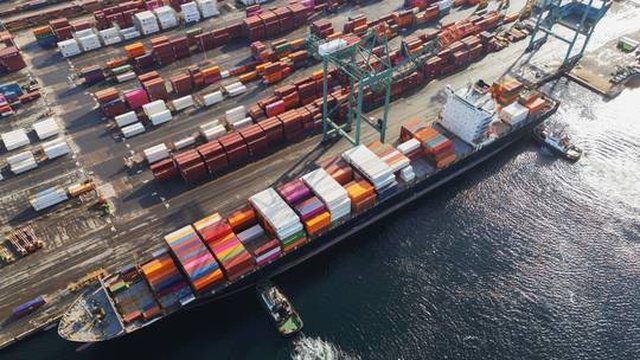
The document alleges that the “fraud” involves sending goods manufactured in China through another country, where they are lightly processed, repackaged or relabeled before being shipped to the US with a new declared origin.
Washington says the practice spread after President Donald Trump imposed sweeping tariffs on Chinese products in 2018. Since returning to office, Trump has expanded the taxes to much of the world, creating wide differences in tariff rates among trading partners.
Last month, he also imposed new tariffs on imports from 60 countries over alleged failures to combat forced labor, prompting protests from some key U.S. partners. The White House acknowledged that such loopholes could themselves have additional incentives to divert goods.
The report estimates that this practice costs the U.S. Treasury tens of billions of dollars a year. Under a scenario based on a central model, it estimates lost federal revenue at $19 billion to $26 billion and claims that about 450,000 American jobs could be lost.
Washington said it now plans to step up enforcement using an artificial intelligence-based customs system called ‘Border Detective’, designed to flag suspicious shipping routes, origin claims and ownership links. The report warns that violators could face additional tariffs, sanctions or exclusion from the US market.
China has repeatedly condemned Trump’s tariff regime, accusing Washington of protectionism and economic coercion and arguing that its trade and technological restrictions disrupt global trade.
Earlier this month, the Chinese Ministry of Commerce announced stricter export controls on drones and related technologies, as well as retaliatory measures against some US entities, warning of further countermeasures if Washington imposes new restrictions.
We mention that some businesses in Albania are also supplied with goods from China.