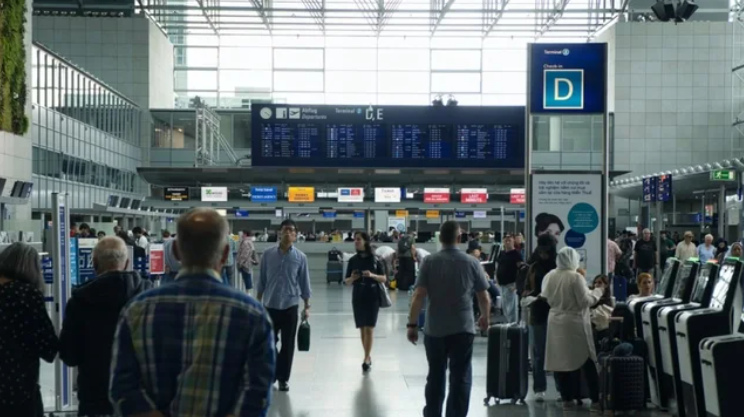
The implementation of the European Union’s new electronic border control system, the EES, is causing significant increases in waiting times at some of Europe’s largest airports. During the summer season, travelers from outside the EU have faced long queues due to new biometric procedures, which require the registration of fingerprints, a photograph and personal data.
According to foreign media reports, at Frankfurt Airport, the maximum waiting time during July reached 120 minutes, up from 60 minutes a year earlier. In Munich, the maximum waiting time increased from 31 to 60 minutes, while in Amsterdam from 80 to 120 minutes. The increases were observed mainly during peak hours, when the flow of passengers is greater.
The EES aims to electronically record the entries and exits of non-EU nationals and help identify overstayers or those who pose a security risk. However, its implementation has been plagued by technical problems, delays and difficulties in processing passengers quickly.
To avoid long queues, some airports have temporarily eased check-in procedures, including not collecting fingerprints during peak hours. These measures are due to end in September, while some member states have requested that the exemptions be extended beyond the summer season.
The European Commission is discussing the situation with countries where the implementation of the system has created difficulties. According to the Commission, the average time for registration in the EES is around 70 seconds and in most cases the impact on non-EU travellers remains limited. The European institution also defends the system because of the benefits it is expected to bring to the security and control of the EU’s external borders.
Meanwhile, airlines have warned that the new procedures could create bottlenecks at airports, especially during peak traffic periods. For travelers from outside the EU, this could mean longer waits at border controls, especially at major European airports.
The EES is a significant change in the way the EU manages its external borders and is expected to be gradually rolled out to all border points. The main challenge remains finding a way to combine the new biometric checks with the rapid processing of millions of travellers, without creating significant queues and delays.