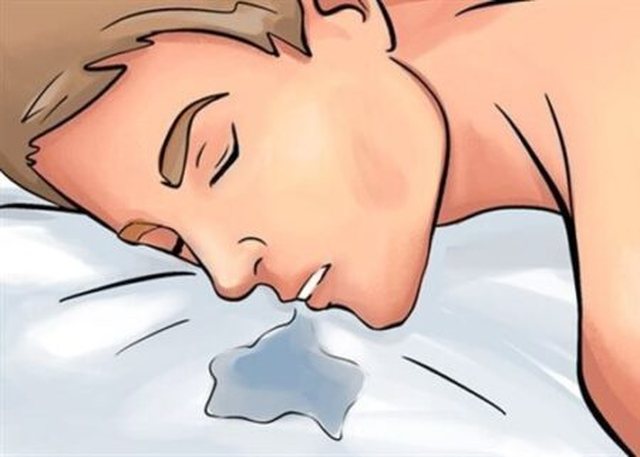
Waking up with a wet pillow may seem embarrassing to some people, but drooling during sleep is very common and usually harmless. During deep stages of sleep, the body’s muscles naturally relax, including those that help with swallowing.
When swallowing slows down, saliva can collect in the mouth and come out more easily, especially during long periods of uninterrupted sleep. In most cases, this is just a normal part of the sleep process and not a sign of any serious health problem.
Sleeping position often plays a big role in how noticeable drooling becomes. People who sleep on their side or stomach are usually more likely to experience this because gravity allows saliva to flow out of the mouth more easily.
Mouth breathing can also increase drooling at night, especially when the nose is blocked from allergies, a cold, congestion, or sinus irritation. Some medications or alcohol consumption can also relax the muscles more during sleep, contributing to the accumulation of saliva at night.
Other factors can also affect saliva production. For example, acid reflux can cause the body to produce more saliva in response to irritation from acid near the throat. Temporary irritation of the teeth or gums can also affect saliva levels.
In many cases, treating the underlying cause — such as improving nasal breathing, managing congestion, or maintaining good oral hygiene — can naturally reduce drooling over time. Staying hydrated and keeping your head slightly elevated while sleeping can also help improve comfort and breathing.
Although occasional drooling during sleep is considered normal, sudden or persistent changes should not be ignored if they are accompanied by symptoms such as difficulty swallowing, facial weakness or speech changes. In these cases, a medical check-up may be important to rule out other health problems.
For most people, however, light saliva flow at night simply indicates that the body has entered a state of deep relaxation during healthy sleep and usually does not require treatment.