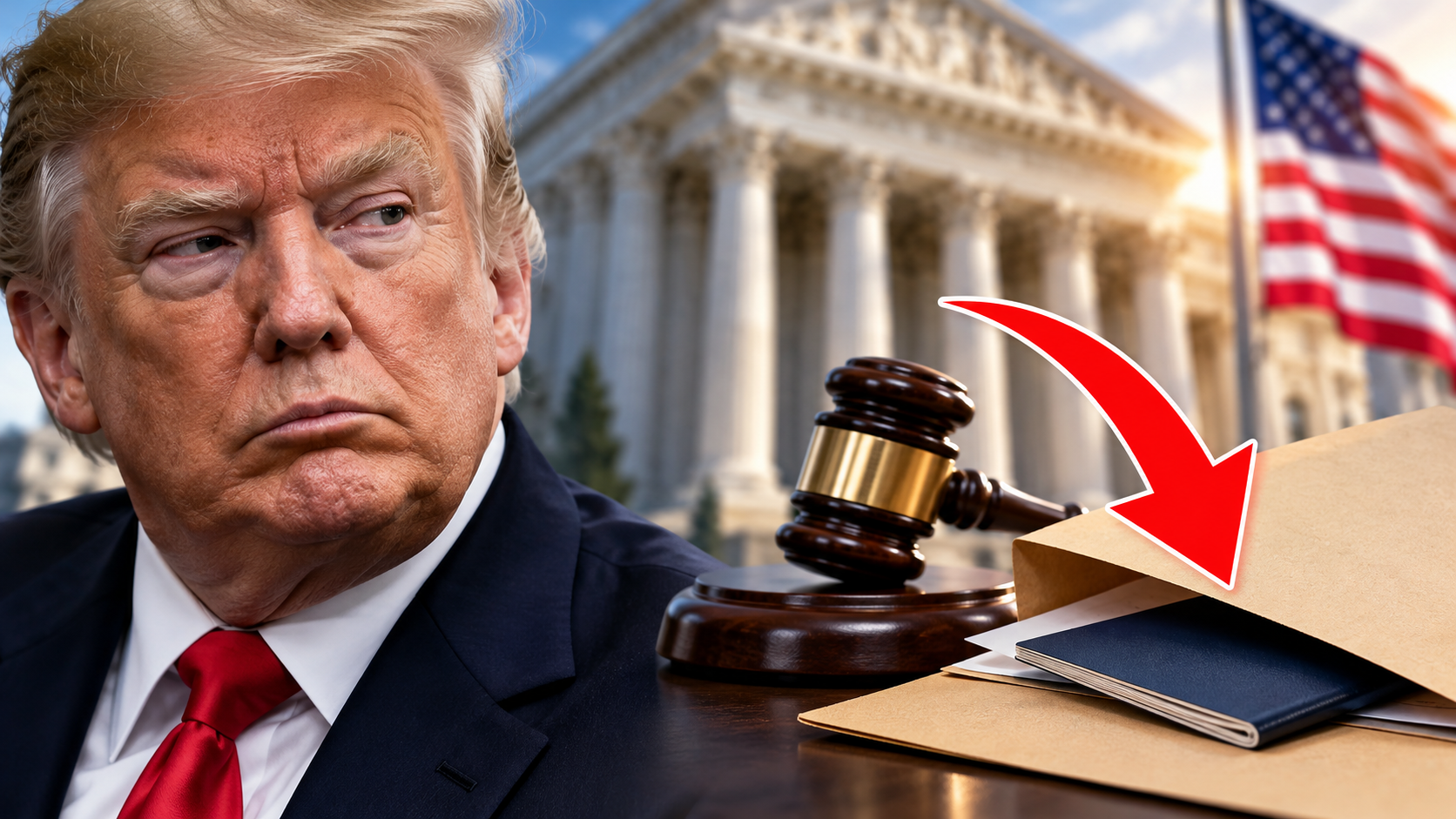
Major Court Ruling in America! Judge Rejects Trump Administration’s Lawsuit Against New York Over Immigration Policies
October 17, 2026 | New York, United States
A major federal court ruling in New York has brought renewed attention to immigration enforcement and the ongoing legal disputes between the Trump administration and local governments.
A federal judge has dismissed the Trump administration’s lawsuit challenging New York City’s policies that limit cooperation between local authorities and federal immigration officials.
The decision represents a significant development in the national debate over so-called sanctuary cities and the extent to which local governments must assist federal immigration enforcement.
For immigrant communities across New York, including thousands of Albanian-American families, the ruling raises an important question: What does this decision actually change?
What Did the Federal Judge Decide?
Federal Judge Ramón E. Reyes Jr. rejected the federal government’s challenge to New York City’s immigration-related policies.
The ruling addressed whether federal authorities could require local governments to participate in immigration enforcement using their own personnel and resources.
The court concluded that federal law does not generally require state and local governments to administer or enforce federal immigration programs.
As a result, the administration’s legal challenge was dismissed.
Why Did the Trump Administration Sue New York City?
The lawsuit focused on policies that restrict certain forms of cooperation between New York City agencies and federal immigration authorities.
These policies can limit when local officials honor immigration detention requests or share information for civil immigration enforcement.
The Trump administration argued that such restrictions interfered with federal immigration enforcement efforts.
New York City, however, defended its authority to establish rules governing the activities of its own agencies and employees.
The dispute became part of a broader national debate over immigration enforcement and the responsibilities of local governments.
What Does This Mean for Immigrants in New York?
The ruling means that the federal lawsuit did not succeed in overturning the challenged city policies.
However, an important distinction remains.
The decision does not prevent Immigration and Customs Enforcement (ICE) from enforcing federal immigration laws in New York City.
It also does not automatically provide legal immigration status, cancel deportation proceedings or protect every individual from federal immigration enforcement.
Instead, the ruling concerns the legal limits on requiring local authorities to assist federal agencies.
Why Is This Important for Albanian Americans?
New York is home to a substantial Albanian-American community.
Many Albanian families have built their lives and businesses in the city, while others are navigating immigration procedures involving visas, permanent residency, asylum or citizenship.
Changes to immigration enforcement policies can generate uncertainty, particularly when headlines suggest that federal and local authorities are taking different approaches.
Understanding the difference between local sanctuary policies and federal immigration law is essential.
The court’s decision addresses the responsibilities of local government institutions—not the individual immigration status of residents.
New York City’s Response
New York City Mayor Zohran Mamdani welcomed the court’s decision.
The ruling supports the city’s position that local institutions cannot generally be compelled to use their resources to carry out federal immigration enforcement.
The dispute reflects continuing tensions between the federal administration and jurisdictions that have adopted limits on cooperation with immigration authorities.
Similar Legal Disputes Across America
New York is not the only jurisdiction involved in legal battles over sanctuary policies.
Federal courts have also considered challenges involving other cities and states, including Los Angeles, Chicago and Minnesota.
These cases raise questions about the balance of authority between the federal government and state or local institutions.
Federal authorities retain responsibility for enforcing federal immigration law, while states and municipalities have constitutional protections against certain forms of federal compulsion.
Can ICE Still Make Arrests in New York?
Yes.
ICE continues to possess federal immigration enforcement authority, subject to applicable law and judicial restrictions.
Local policies limiting cooperation do not eliminate that authority.
Residents should therefore avoid interpreting the ruling as a blanket prohibition on immigration arrests or deportation proceedings.
Individuals facing immigration-related legal issues should seek advice based on their particular circumstances.
What Happens Next?
The dismissal represents a legal setback for the Trump administration’s challenge to New York City’s policies.
Further litigation or an appeal may follow, depending on decisions made by the parties.
For now, the central development is that the federal court rejected the administration’s attempt to invalidate the challenged local immigration policies.
The Bottom Line
The October 17 ruling is an important development in the ongoing dispute over immigration enforcement in the United States.
For New York City, it reinforces limits on the federal government’s ability to require local institutions to participate in federal immigration enforcement.
For immigrants and their families, it is important to understand what the ruling does—and does not—change.
New York City’s challenged policies survived this lawsuit, but federal immigration laws remain in effect.
Source: The Guardian, October 17, 2026.
Disclaimer: This article is intended for general informational purposes and does not constitute legal or immigration advice.