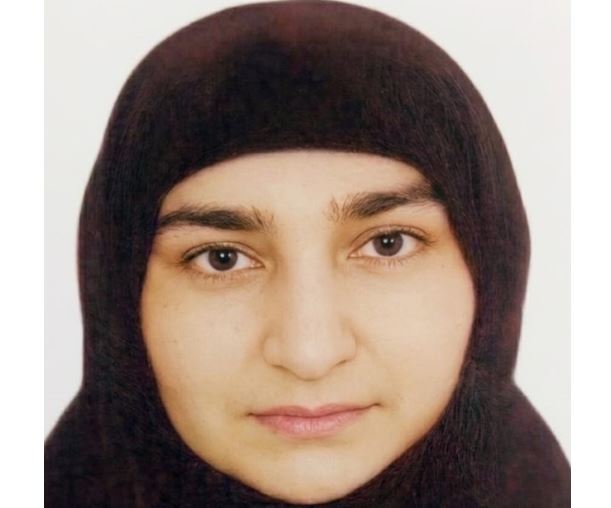
The case of an Afghan teenager who reportedly spent 21 months in a Taliban-controlled prison after she opposed marriage to a local commander has sparked strong reactions among activists and organizations that defend women’s rights.
At the center of the case is Bibi Sediqa, now 17. According to reports by Afghan media and the Revolutionary Association of Women of Afghanistan (RAWA), she was imprisoned at the age of 14 after refusing to marry Maulavi Khodaynazar, a commander in his 70s from Badghis province.
Her story allegedly began several years earlier. When Bibi was just 12 years old, she was reportedly sent to live in the commander’s house. This was allegedly due to a debt her father had incurred to Khodaynazar.
According to sources who have reported the case, the commander then demanded to marry the girl. The family allegedly faced threats and pressure to accept the marriage, but Bibi did not change her stance.
The case ended up before a Taliban-controlled judiciary. A court reportedly initially ordered the teenager’s release, but the decision did not bring an end to the case.
Khodaynazar allegedly intervened with a judge in Badghis, allowing the case to be transferred for review to another court.
The 17-year-old’s situation has become even more worrying following allegations about her treatment during her detention. Sources cited by RAWA claim that the girl was tortured and pressured into changing her mind and accepting the marriage.
The long period of isolation and alleged treatment in prison reportedly left serious consequences on her psychological state.
The situation has also affected the teenager’s family. Her mother reportedly developed serious health problems while the girl was detained.
Recently, Taliban authorities reportedly tabled an unusual proposal to resolve the dispute. Under it, Bibi would marry the commander for a period of three days.
Her family says that despite discussions, no concrete action has been taken to end the issue. They also claim that no independent structure has been set up to investigate the way the teenager was treated.
Bibi Sediqa’s story has once again brought the situation of Afghan girls and the phenomenon of forced marriages into the spotlight, especially after the Taliban’s return to power in August 2021.
One of the traditional practices denounced for years in Afghanistan is known as “baad.” Through it, girls can be given to other families as a way to pay off debts or end conflicts between families.
The practice had been legally banned in Afghanistan since 2009. However, women’s rights organizations and activists claim that such cases continue to occur in some parts of the country.
The case comes at a time when the situation of Afghan women continues to be the subject of international criticism. Since the Taliban took power, restrictions on women and girls have extended to a range of aspects of daily life, from education and employment to freedom of movement.
International activists have called on countries that maintain contact with the Taliban authorities to use their influence to demand a change in these policies. British Baroness Helena Kennedy, known for her commitment to human rights issues, has described the situation of women in Afghanistan as a form of “gender apartheid.”
As the Taliban continue to control Afghanistan, the treatment of women and girls remains one of the most criticized issues by international human rights organizations. The case of Bibi Sediqa has become another example used by activists to demand greater international attention and pressure on Afghan authorities.