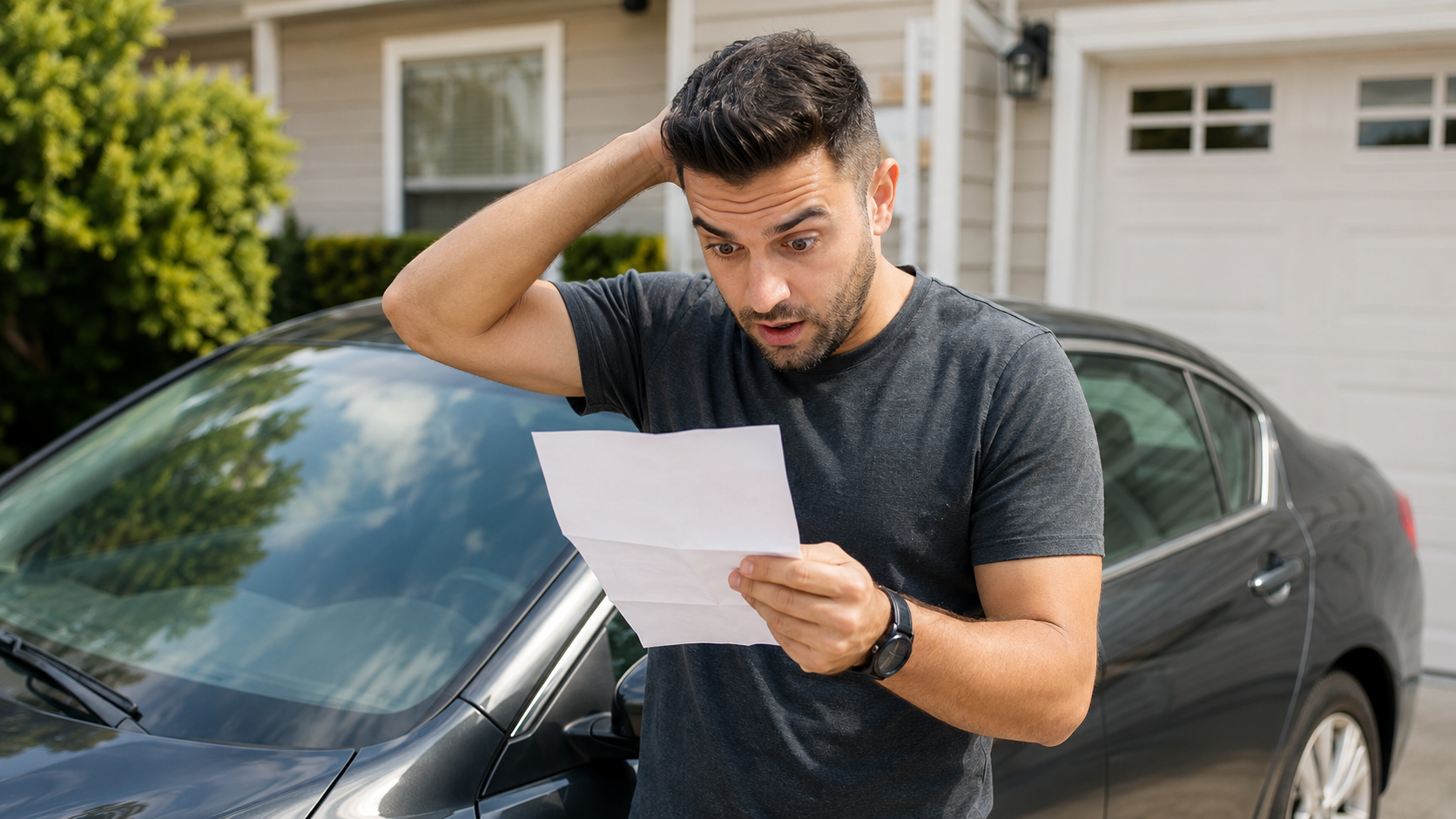
Why Your Car Insurance Bill May Be Higher Than Expected
If your car insurance bill seems higher than it used to be, you’re not alone. Many drivers across the U.S. are taking a closer look at what they pay each month.
But here’s what many people overlook: your rate isn’t determined by just one thing. Several details can affect what an insurer charges, and some may be worth reviewing before your next renewal.
Your Deductible Can Make a Difference
Your deductible is the amount you generally agree to pay toward a covered claim before applicable insurance coverage pays the rest.
Choosing a lower deductible can sometimes mean paying a higher premium.
If you have not reviewed your policy recently, compare different deductible options and consider whether the potential savings are worth taking on a higher out-of-pocket cost after a claim.
Your Driving Record Matters
Speeding tickets, accidents and certain other driving violations can affect insurance rates.
Even after time has passed, previous incidents may still influence what you pay, depending on the insurer and where you live.
Maintaining a clean driving record can therefore be important when trying to keep insurance costs under control.
Where You Live Can Affect Your Rate
Two drivers with similar vehicles and driving histories can receive different quotes simply because they live in different areas.
Insurers may consider factors associated with your location, including accident and theft patterns and other local claim risks.
That means moving—even within the same state—can potentially change your premium.
Your Coverage May No Longer Match Your Needs
It is easy to renew the same policy year after year without reviewing it.
Take a few minutes to check your liability limits, comprehensive and collision coverage, deductibles and optional extras.
The goal isn’t simply to remove coverage to save money. Make sure you’re paying for coverage that makes sense for your current situation.
Discounts Are Easy to Miss
Insurance companies may offer discounts based on factors such as bundling eligible policies, vehicle safety equipment, payment choices or driving history.
Availability and requirements vary significantly between insurers and states.
Ask your insurer which discounts are currently available and whether you’re receiving every discount for which you qualify.
Your Vehicle Makes a Difference
The car you drive can have a significant impact on insurance costs.
Repair costs, safety features, theft statistics and the cost of replacing the vehicle can all influence how insurers evaluate risk.
This is worth considering before buying your next vehicle—not just after receiving the first insurance bill.
The Simple Step Many Drivers Forget
One of the easiest things to overlook is comparing quotes from multiple insurers.
Insurance companies don’t necessarily evaluate every driver in exactly the same way. As a result, prices can differ even when you’re requesting similar coverage.
Before switching, compare equivalent coverage limits, deductibles and terms—not just the headline price.
What Should You Do Next?
Pull out your current policy and review what you’re actually paying for. Check your deductible, coverage limits and available discounts, then consider getting comparable quotes from several insurers.
A cheaper policy isn’t automatically a better policy. The objective is to find appropriate coverage at a competitive price for your circumstances.
Insurance rates, discounts and eligibility vary by insurer, driver and state. This article provides general information and is not personalized financial or insurance advice.