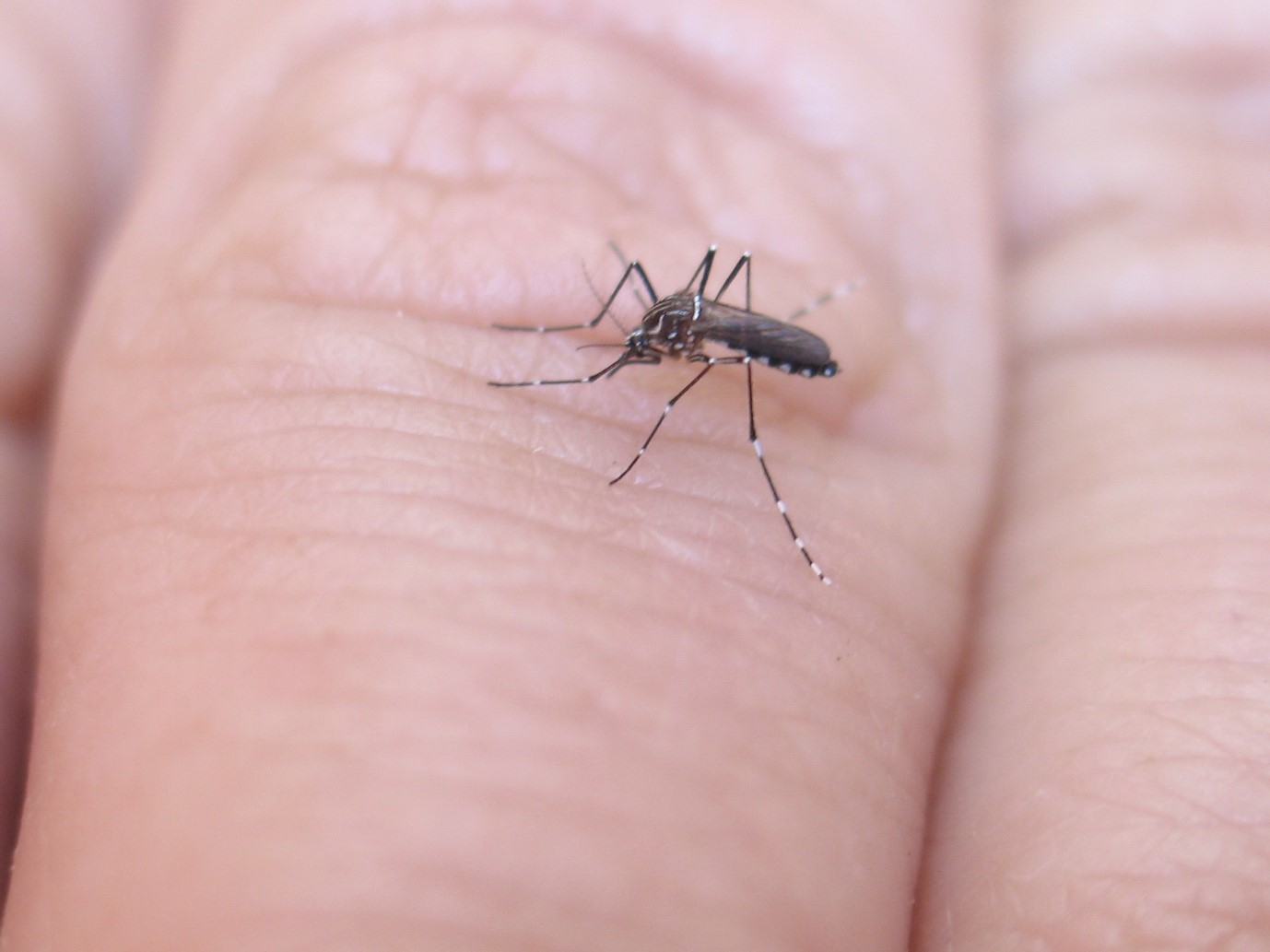
Not all people are equally attractive to mosquitoes. A new study shows that the insects have different preferences and that the factors that make a person more attractive may also vary by mosquito type.
The researchers analyzed the reactions of three species of mosquitoes to 119 people in Miami, examining a range of cues the insects use to find people. These included body odor, carbon dioxide exhaled during breathing, heat, humidity and chemicals present on the skin.
The results showed that some participants were particularly attractive to more than one type of mosquito. However, no person was a favorite target of all three species at the same time, suggesting that each species uses a different combination of cues to choose the person it approaches.
The mosquito that can transmit yellow fever showed a slight bias towards males, while the Asian tiger mosquito was more sensitive to certain skin chemicals.
The skin microbiome, the community of bacteria and microorganisms that naturally live on the human body, may also play a role. These microorganisms influence the scent produced by the skin and, as a result, may change how a person is perceived by mosquitoes.
Scientists believe that a better understanding of the mechanisms that drive these preferences could help develop more precise methods for controlling mosquitoes and preventing the diseases they can transmit, including dengue, Zika, yellow fever and West Nile virus.
Of particular concern is the Asian tiger mosquito, which has expanded significantly in Europe and is now also present in Mediterranean countries, including Albania, Greece, and Italy.