Hotel prices have risen sharply in some of Europe’s major cities as hundreds of thousands of tourists travel to the continent to see the first total solar eclipse visible from Europe this century.
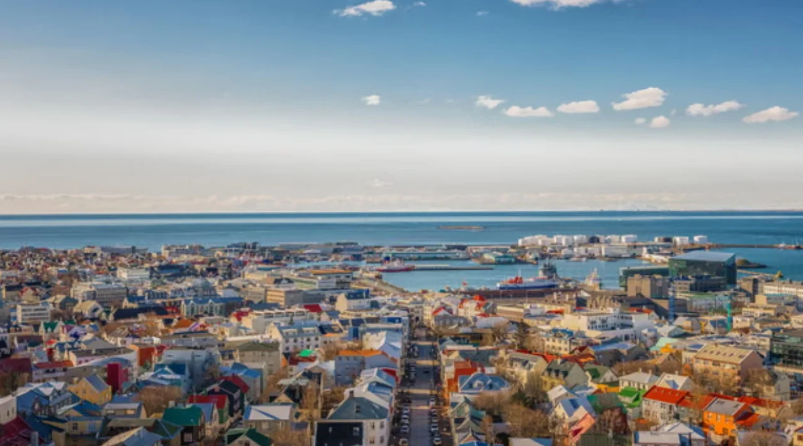
Reykjavik, the capital of Iceland, has seen one of the biggest increases in accommodation prices. The city is among the few destinations where the total eclipse can be observed before sunset on Wednesday.
According to data from travel and hospitality group Lighthouse Intelligence, tourists paid an average of $793 (£587) for a hotel room in Reykjavik on Wednesday night. This represents a 98% increase compared to the same day last year.
Spain is also preparing for a huge influx of visitors, as it is considered one of the best places in Europe to observe the total eclipse. Spain’s Finance Ministry said on Monday that it expects around 460,000 foreign tourists to visit the country specifically for the event.
In A Coruna, in northwestern Spain, the average price of a hotel room has increased by 135% compared to last year, reaching $451. In Mallorca, where the eclipse is expected to be visible near the horizon at sunset, prices have increased by 24%, to about $448.
Significant increases have also been recorded in Santiago de Compostela and Bilbao, where hotel room prices have increased by 34% and 67% respectively.
Meanwhile, accommodations in small towns and villages along the eclipse path have been booked for months. Makeshift observatories set up by local enthusiasts have also attracted many visitors.
According to reports, some American travelers have also used home-sharing platforms to find accommodation in Castilla y León, one of the most favorable regions of Spain for viewing the eclipse.
The extraordinary influx of tourists has raised concerns among Spanish authorities about the risk of forest fires. Police are predicting an additional 1.5 million vehicle trips on Wednesday.
Authorities warn that extremely dry conditions could cause even a small spark to ignite large fires, while heavy traffic could hinder emergency vehicles from accessing rural areas.
To deal with the situation, Spain has planned a large-scale security operation, which will involve around 35,000 police officers.