A strong diplomatic drama is unfolding in the Middle East, with Iran demanding that the Persian Gulf states intervene with Donald Trump to prevent new military attacks and pave the way for negotiations.
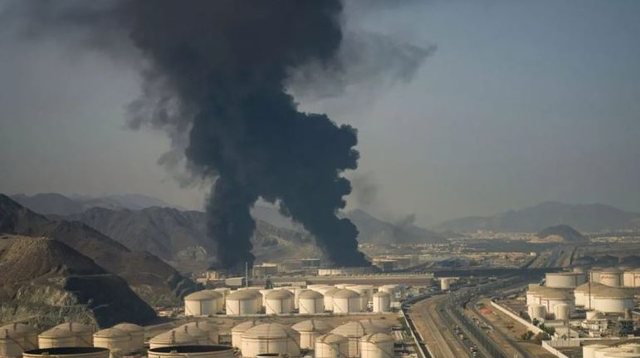
According to Reuters reports, which cite a senior Iranian official, Tehran is warning that in the event of new attacks, it will respond by targeting critical infrastructure in Arab countries allied with the US, such as refineries, oil wells, water supplies, electricity and transportation networks.
This tactic is part of an effort to deter American aggression, by projecting the risk of general economic and energy destabilization in the region.
the warnings were conveyed through successive diplomatic contacts, immediately following threats launched by the US president on July 28 to strike Iranian infrastructure.
According to diplomatic sources in the region, Iranian Foreign Minister Abbas Araghchi held talks with his counterparts from Saudi Arabia, Qatar and Turkey, as well as with the military leadership of Pakistan. Araghchi called on these governments to exert their influence on Washington to suspend military action.
Tehran’s message made it clear that it was prepared for a military response, while stressing that diplomacy was the only way to avoid total destruction. It also stressed that any US attack would trigger immediate retaliation against American targets and vital facilities across the Gulf.
Equilibriums in the Gulf and memories of 2019
For its part, Saudi Arabia is in favor of the diplomatic route, while making it clear that any lack of respect for its sovereignty will be met with a strong military response.
Analysts close to Riyadh emphasize that a balance between military preparation and diplomatic pressure is the safest path to maintaining stability.
At the same time, Tehran’s leadership is renewing the demand for the removal of US military bases from the region, recalling the 2019 attacks on Aramco facilities, which temporarily paralyzed Saudi oil production.
According to Iranian officials, the American side now faces a dilemma: either it will risk a regional conflict with major consequences for the global economy and energy, or it will accept a compromise without the absolute dominance it seeks.
The main obstacle to negotiations remains Washington’s demand for an agreement that can be presented internationally as a clear victory for it.